
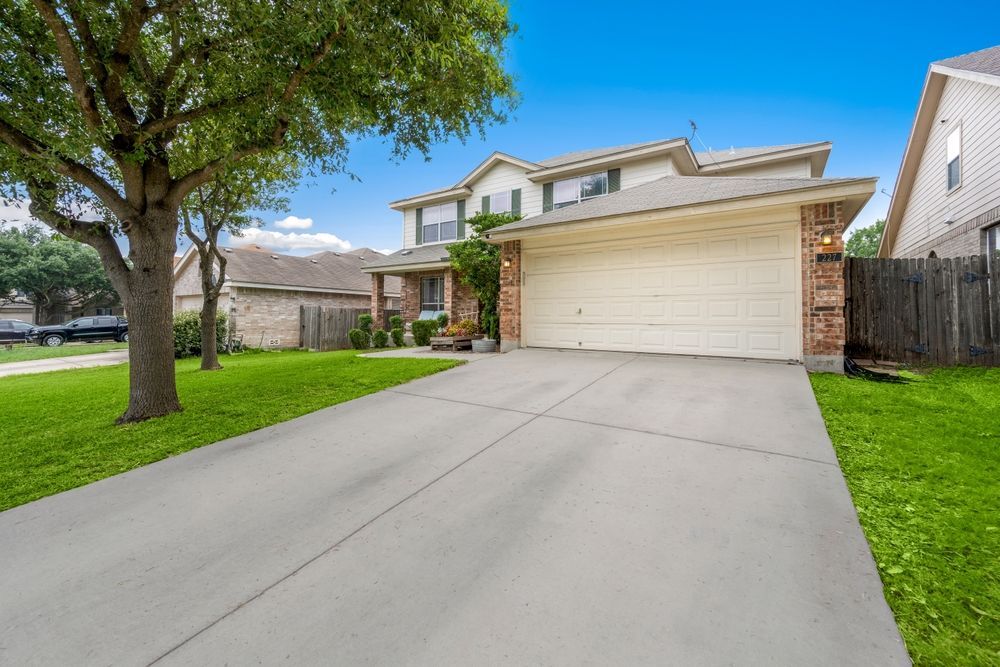
Surfaces Designed for Year-Round Access
Concrete Driveways, Sidewalks, and Patios in North Little Rock for new construction, replacement of cracked surfaces, and outdoor living improvements
Cracked, settling, or deteriorating concrete surfaces create tripping hazards, drainage problems, and visual inconsistencies that detract from property appearance and function. New concrete driveways, sidewalks, and patios restore safe access and usable outdoor spaces while addressing the underlying causes—poor base preparation, inadequate thickness, or missing control joints—that led to the original failure. McCoy Roofing & Construction handles residential concrete work throughout North Little Rock, from front walkways to backyard entertainment areas, focusing on practical surfaces that handle daily use and seasonal weather without premature cracking or settling.
Concrete placement involves excavation to remove unstable soil or failed material, compaction of gravel base to prevent settling, installation of forms to define edges and slopes, placement of reinforcement such as wire mesh or rebar in thicker sections, pouring and screeding of concrete mix, finishing with trowels or brooms to achieve the desired texture, and cutting control joints at planned intervals to direct cracking along intentional lines rather than random patterns.
Request a detailed estimate based on your site conditions, desired thickness, and finish preferences.
What Concrete Installation Actually Accomplishes
Site preparation determines long-term performance more than any other factor in concrete work, because unstable base materials compress unevenly under load, causing slabs to crack or develop low spots that collect water. Proper excavation depth, moisture content in the base layer, and compaction effort applied before concrete placement directly affect whether the finished surface remains level and intact through freeze-thaw cycles and the expansive clay soils common in Central Arkansas.
Once the concrete cures, you notice a stable walking or driving surface without rocking or flexing, consistent drainage that sheds water toward planned outlets, and clean edges that integrate with landscaping or adjacent structures. The work includes removal and disposal of broken concrete, protection of surrounding vegetation during excavation and placement, and cleanup that leaves your property ready for use once the curing period completes.
Concrete projects require coordination around temperature and precipitation, because hot weather accelerates curing and increases cracking risk, while rain during placement compromises surface strength and finish quality. Control joint spacing, slab thickness, and reinforcement decisions depend on intended use—residential driveways need greater load capacity than sidewalks, and decorative patios may incorporate color or stamping that affects finishing steps and cost.
What Property Owners Usually Ask
Concrete work involves site preparation, material choices, and curing requirements that affect project timelines and long-term results, so these questions reflect common planning considerations.
What preparation is required before concrete is poured?
The site is excavated to remove topsoil and unstable material, a compacted gravel base is installed to prevent settling, forms are positioned to define edges and slopes, and reinforcement is placed in sections where thickness or load conditions require added tensile strength.
How thick does concrete need to be for driveways versus sidewalks?
Residential driveways typically require four inches of thickness to handle vehicle weight without cracking, while sidewalks and patios can often use three to four inches depending on soil stability and expected traffic, with thicker sections specified for areas that will support heavy equipment or frequent turning movements.
Why do control joints matter in concrete placement?
Control joints are deliberately cut or formed grooves that create weak planes where concrete can crack in a controlled, straight line rather than developing random fractures, allowing the slab to expand and contract with temperature changes in North Little Rock without creating unsightly or hazardous breaks.
How long before I can use new concrete surfaces?
Initial foot traffic is generally safe after 24 to 48 hours in moderate temperatures, but vehicle traffic on driveways should wait at least seven days to allow sufficient curing strength, and full strength development continues for several weeks as the concrete hydrates.
What causes concrete to crack after installation?
Cracking typically results from inadequate base preparation, insufficient thickness for the load, missing or improperly spaced control joints, rapid drying in hot weather, or freeze-thaw cycles that stress the slab when moisture is present, all of which proper installation practices are designed to minimize.
McCoy Roofing & Construction brings direct owner involvement and straightforward project communication to concrete work across North Little Rock and surrounding areas. Schedule a free estimate to review your site and discuss project specifications.